
Our thinking
Why Philos has room for only 49 people
Every dot in our logo is someone. Here's why we stopped at 49, and why nobody moves when someone leaves.

Why Philos works the way it does: the 49 places, a feed that ends, and the things we chose not to build.
Every dot in our logo is someone. Here's why we stopped at 49, and why nobody moves when someone leaves.

A photo carries more than the picture, and public photos travel further than you think. Location data, face-search databases, AI training, and how to keep photos close.

When you've seen your people, Philos says you're all caught up. Here's why we stop there, and what we do instead of keeping you scrolling.

The friend of a friend who found you a job, and the sister who'd drive through the night. Why you need both kinds of tie, and why Philos is built for the second.

Philos shows who responded to what you shared, not a count of likes. Here's what changes when the number goes away.

A researcher has timed how long we stay on one screen for twenty years. It fell from two and a half minutes to 47 seconds. What breaks our focus, and what helps.

Only you choose who sees what you share, so nothing on Philos can be passed on. Here's why we left the button out, and what it can't stop.
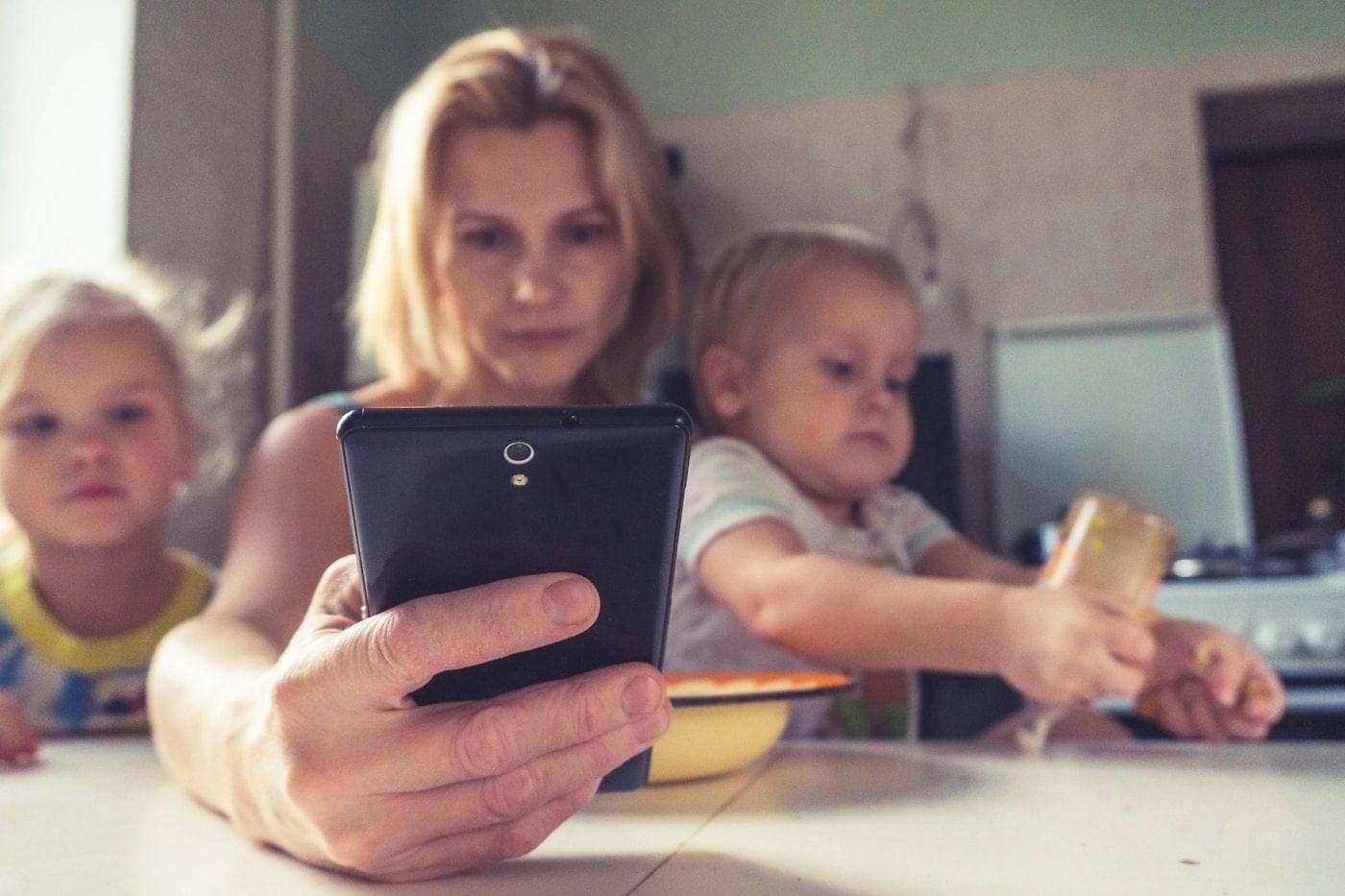
Philos doesn't use your photos or messages to train AI. Here's why that matters, especially for photos of children.

British parents posted about 1,500 photos of a child by their fifth birthday, and France has written children's image rights into law. How to share a childhood with care.

In Okinawa, groups of friends meet for decades, some since primary school. Where the moai came from, Europe's own versions, and how to start one with your people.

A friend limit of 50, Circles, a Close Friends list, one photo a day. A short history of social apps that tried to be smaller, and what we learned from them.

We put off messaging old friends because it feels awkward. Research with thousands of people found they're far gladder to hear from us than we expect.

We've never been so connected, and governments now appoint ministers for loneliness. Why a feed full of people can still leave you hungry, and what feeds us instead.

In 2006 a young designer made web pages load forever. Today he warns about what it did to our time. Why good things have endings, and why Philos does too.

Since 1938, Harvard researchers have followed hundreds of lives from youth to old age. Their clearest finding isn't about money or fame. It's about your people.

An anthropologist counted Christmas cards and found the shape of our friendships. What Dunbar's number says, what it doesn't, and where 49 fits in.

Social media turned our photo albums into speeches in a public square. Why the room you share in changes what you share, and why Philos is built as a living room.
No ads, and your data is never sold. Scan the code with your iPhone camera to get Philos.
Get Philos
Scan, or download it here.